A high-profile entry into boutiques ends quickly
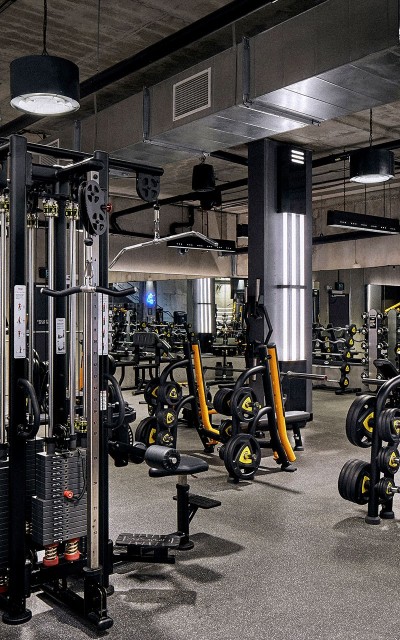
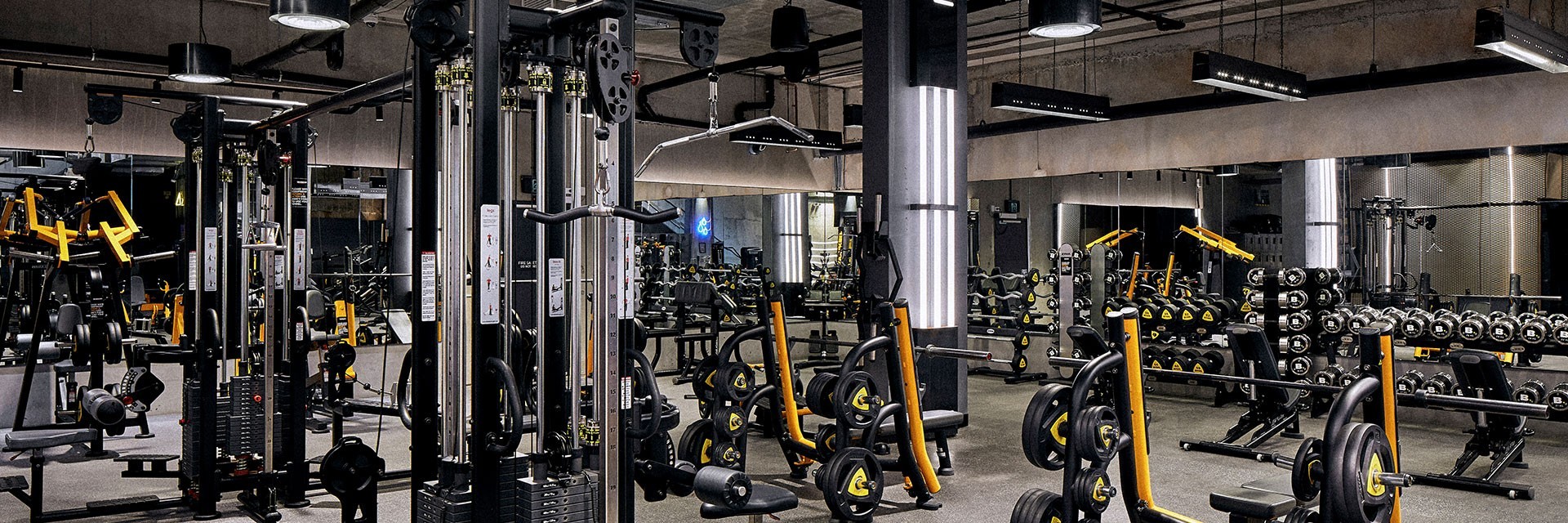
Nike has closed its boutique fitness studios, less than three years after launching them. The move marks a quick exit from a space that initially looked like a natural extension of Nike’s brand.
Back in 2023, Nike entered the boutique market, with their operational partner FitLab, with three concepts:
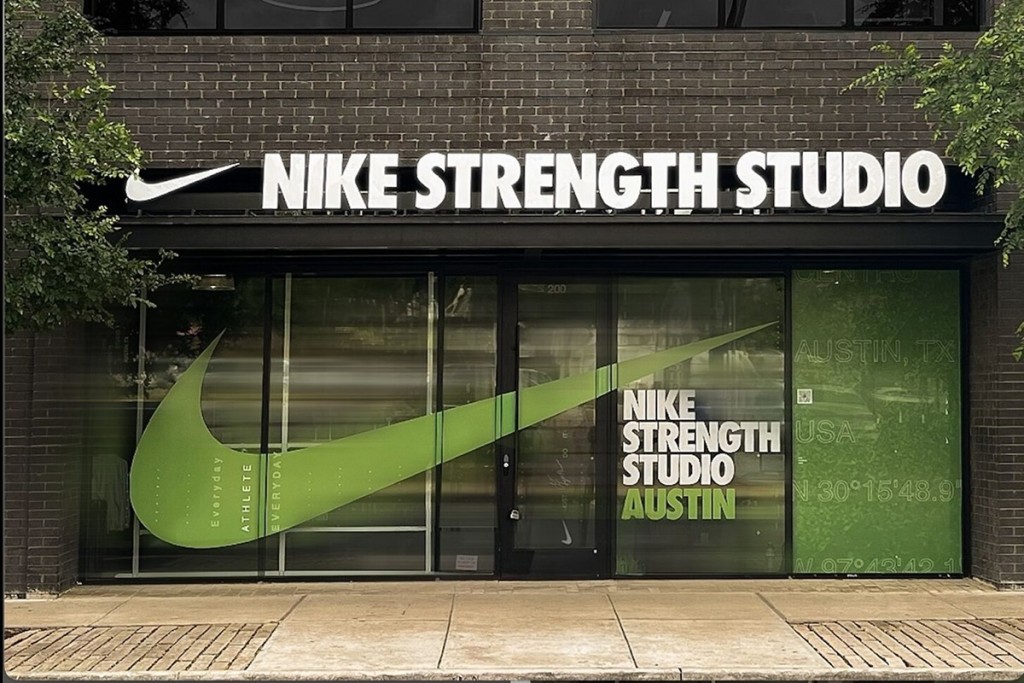
- Nike Strength Studio
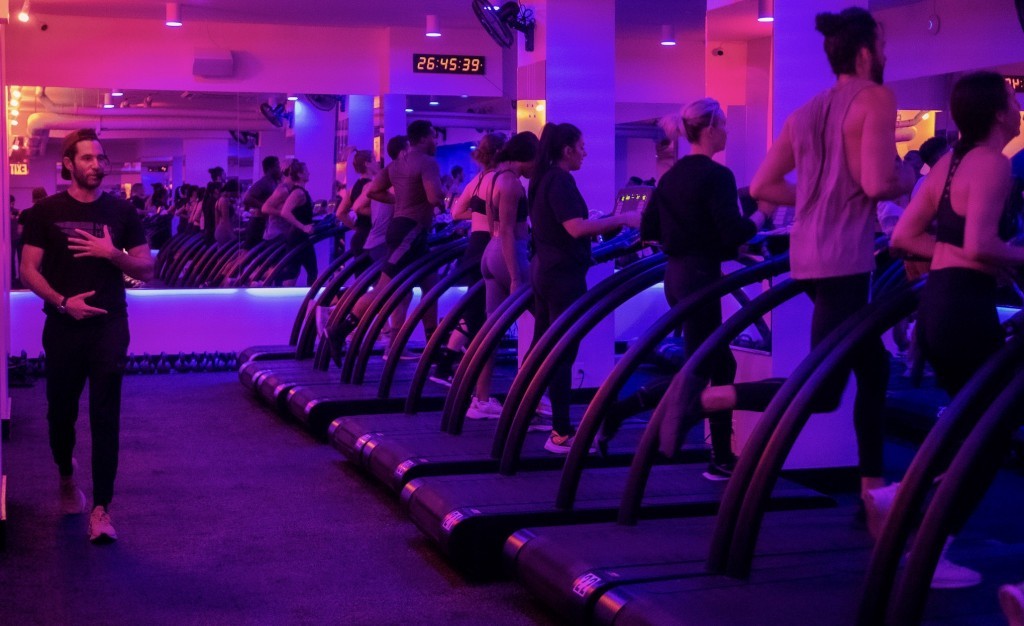
- Nike Running Studio
- Nike Training Studio
The positioning was clear: Train like a Nike athlete and bring the brand into a physical, in-person experience. At the time, it attracted strong attention across the industry with a big PR push.
A Strong Entry That Didn’t Last
Nike has one of the strongest brands in sport. It already had a large digital fitness ecosystem, strong athlete partnerships, and a clear focus on performance.
But running a boutique studio is very different from running a global apparel business. Despite the initial interest, the model didn’t hold.
What Happens Next
Operating partner FitLab will transition the locations into other concepts within its portfolio. The studios won’t stay empty for long.
These include:
- Racked
- XPT
As well as The Fit Guide Award-Winning brands:
The shift suggests a move toward proven concepts rather than building new ones under the Nike name. Several of these brands already have strong reputations and established followings.
Why It Didn’t Work
There will be different views on why this didn’t land. Boutique fitness is hard. Brand awareness can fill the first few classes. It can generate press and attention. But it doesn’t guarantee retention.
Members stay for coaching, programming, atmosphere, and consistency. If the experience doesn’t deliver, they leave. Even with strong backing, deep pockets, and a recognised name, that reality doesn’t change.
What This Means for Nike
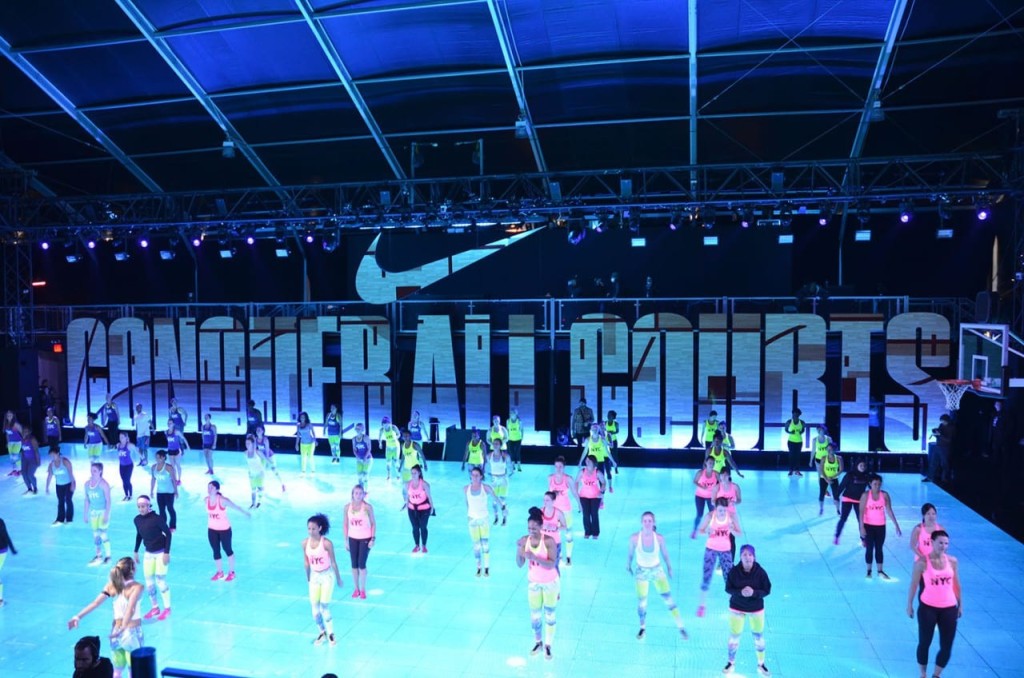
Nike continues to invest heavily in events, activations, and community experiences. Running events, training sessions, and partnerships with gyms and sports clubs remain a key part of its strategy. Instead of owning the space, Nike is choosing to activate within it.
The studio experiment didn’t deliver what was expected, but it provided insight. Nike tested the model, and it didn’t scale in the way they needed. Rather than doubling down, they’ve chosen to focus resources elsewhere.
What This Means for the Industry
There has been some talk of this being a negative signal for boutique fitness. Although others have said it’s simply a sign that running a successful boutique studio takes more than brand, marketing, and funding. It requires consistent execution and attention at every level.